Do Fans in Germany Do Matchday Differently Than England?
Yes, but not in the neat, postcard version of the comparison. German football is not one endless terrace singalong, and English matchday is not simply a queue for a pie followed by ninety minutes of silence. The differences are real, though: they show up in ticketing and travel, in the place of ultras, in how people use the stadium, and in what fans do on their phones while the match is still being played.
The kick-off time shapes the day in both countries. A Saturday 3pm start in England leaves room for the pub, the train and the familiar pre-match walk. In Germany, Saturday afternoon fixtures often give a similar rhythm, while Sunday and Friday games can rearrange the whole weekend. The Bundesliga’s split schedule has long meant that not every supporter is heading to the ground at the same hour. That can make the day feel less like a single national appointment and more like one part of a rolling football weekend.
But kick-off is only the frame. German fan culture and English football culture are both built from local habits, family routines and the people who make the trip every week. A visitor may notice a different soundtrack or a different relationship with the standing section. They will also recognise plenty: nervous phone-checking, familiar faces at the same bar, and the sudden hush when a striker breaks clear.
The biggest difference is not the phone
Mobile phones are everywhere in both countries. Supporters use them to scan tickets, message friends about meeting points, check train changes, post a photo on Instagram or follow a match elsewhere in the league. In that respect, German and English stadium routines look much more alike than they did a generation ago.
The more revealing difference is how each club and crowd makes space for supporters. German clubs are often associated with affordable access, member influence and standing areas, while England’s top flight is more commonly experienced through all-seater grounds and high ticket prices. That is a broad comparison, not a rule that applies to every club. German clubs vary, and England has its own strong supporter groups and standing sections. Still, the contrast helps explain why the matchday can feel different before a ball is kicked.
Part of matchday What a visitor may notice in Germany What a visitor may notice in England Getting in Standing areas are part of the experience at many grounds; club membership and local supporter networks can matter. Seating is the norm in most top-flight grounds, with travel and ticket planning often shaped by long-standing allocation systems. Atmosphere Ultras may organise coordinated displays, flags and sustained singing from a specific section. Noise can rise and fall across the ground, with songs, chants and local traditions varying greatly by club. Phone use Supporters check scores, line-ups and travel details, even while staying engaged with the home match. The same second-screen habits are common, especially for live scores and group chats. Fixture rhythm Friday, Saturday and Sunday kick-offs can produce different travel and weekend routines. The traditional Saturday 3pm remains culturally significant, though televised schedules and other kick-off times shape plenty of matchdays.Ultras and atmosphere: organised, but not identical everywhere
In Germany, the word “ultras” usually describes organised supporter groups with a role in backing the team, coordinating songs and preparing visual displays. In some grounds, that work is conspicuous: flags move across a section, a chant holds for several minutes, and a large banner appears at a particular moment. The aim is not just to make noise when the home side attacks. It is to create a continuous presence.
That does not mean every German crowd sings in unison for ninety minutes. It does not mean every supporter belongs to an ultras group, either. Families, casual visitors and long-time season-ticket holders all bring their own version of matchday. The same is true in England, where a loud away end, a home singing section or a particular terrace song may define a ground more than any national stereotype.
What can feel distinct is the visibility of organised support and the amount of standing. At a Bundesliga ground, a visitor may see a standing section filling up early, with regulars finding their usual place and the noise gathering before kick-off. In England, the pre-match build-up can be just as meaningful, but seating arrangements and stadium design often shape where that sound comes from. The difference is one of emphasis, not a simple contest over which country has the better atmosphere.
Matchday traditions still matter
Digital life has not cancelled the old rituals. In Germany, as in England, supporters still plan a route, meet familiar people, eat and drink at established spots, and walk towards the ground together. The rituals might involve a train timetable, a local bar, a sausage stand or the same song on the same stretch of road. What matters is the repetition: the match becomes part of a day people know how to inhabit.
Those matchday traditions vary by club and city. A fan going to Dortmund is not living the same routine as a fan heading to Freiburg, and a trip to a northern English ground does not automatically resemble a day in London. Even the weather can change the plan. A delayed train or a late kick-off might move the meeting point; a 12.30pm start demands an earlier alarm than a 5.30pm one.

That is why talk of “German fans” and “English fans” can become unhelpful if it ignores local detail. The useful comparison is not that one country has rituals and the other has screens. Both do. The question is how supporters fit the new habits around the old ones.
The second screen has made it through the turnstile
Take a look around any ground during a quiet spell and the phone habits are familiar. Someone checks the line-ups after a late team news alert. A friend sends a photo of the away end. A supporter opens the club app to confirm a ticket or find a gate. A fan checks the score elsewhere in the league because a rival’s result could affect the table. At half-time, WhatsApp groups fill with opinions, jokes and the inevitable replay of a missed chance.
That is second-screen behaviour: following information on a phone while watching the main event in front of you. It is not always a sign of disengagement. A supporter might glance at another score during a stoppage, then be matchday experience fully absorbed when the home side wins a corner. Phones help people follow the wider competition, stay in touch with friends in other parts of the ground and make sense of a game as it unfolds.
Still, the screen competes for attention. A supporter refreshing Flashscore or checking a live table can miss the movement that created a chance. The same is true of a long scroll through X or Instagram. Football remains physical and shared: you hear the crowd react before you understand why, watch a line of defenders step up together, and feel the tension of a decision in real time. A phone can add context, but it cannot reproduce that moment.
Things fans do on their phones at matches
- Check scores elsewhere in the league, especially when a rival’s result affects promotion, relegation or a title race.
- Use WhatsApp to find friends, share a meeting point or react to a goal from another ground.
- Look up the line-ups, substitutions and injury updates on club apps or live-score services.
- Post a short video or photograph to Instagram, then put the phone away when the match gets lively.
- Check train times and service alerts before the final whistle, particularly on a long away trip.
- Read a tactical thread or a match statistic at half-time to argue about what the first half actually showed.
Stats and tactics have become part of ordinary supporter talk
There was a time when detailed tactical analysis lived mostly in specialist magazines, coaching rooms and television studios. Now supporters can find expected goals, shot maps, passing networks, pressing data and heat maps within minutes of a final whistle. Podcasts and video channels have helped make that language familiar. Fans discuss whether a side is winning the second balls, building through the half-spaces or leaving too much room behind its full-backs.
This is not a German-only development. English supporters consume the same match previews, data accounts and post-match podcasts, while German fans can follow the same international football analysis. But the conversation travels differently from club to club. Some grounds have a strong culture of tactical debate; elsewhere, the discussion is more about effort, selection or a controversial referee’s call. Statistics are now mainstream without becoming everybody’s main way of watching.
Podcasts have also altered the matchday week. A supporter may listen to a club show on the commute, hear a tactical preview on Friday, then use the walk to the ground to talk through the predicted line-up. After the match, the same fan might compare the podcast’s reading with the live data or a clip shared on YouTube. This is always-on fandom: football does not begin at kick-off or end at full-time.
Yet numbers need a little humility. A high possession share does not automatically mean a team controlled the game, and an expected-goals figure cannot tell you what it felt like when a shot hit the bar in stoppage time. The best supporters’ conversations move between evidence and experience: the stat, the shape of the teams, the noise in the stand and the moment everyone saw differently.
What feels different when you visit?
A visiting English supporter at a German match may notice a more prominent standing section, a distinct ultras-led display or a crowd that begins its singing well before kick-off. They may also notice the practical side: how people get to the ground, where they meet and how the fixture time affects the rest of the day. A German visitor in England may notice the strong local identity of a club, the rituals of an away allocation and the way a Saturday afternoon can still feel like a weekly appointment.
Neither visit should be treated as a field test of national character. Grounds differ, kick-offs differ, and a cup tie can feel unlike a league match. A derby carries its own rules. Weather, results and the quality of the game matter too. The same supporters who sing all afternoon after a win can be quiet when their side is struggling; that is football, not a cultural failure.
The clearest answer is that German and English fans are doing many of the same things with different local frameworks around them. Both have inherited rituals and new habits. Both bring phones through the turnstiles. Both check scores elsewhere in the league, follow podcasts and debate tactical details. The difference is often less about whether fans are digital and more about how stadium design, supporter organisation, ticketing and fixture schedules shape the shared experience.
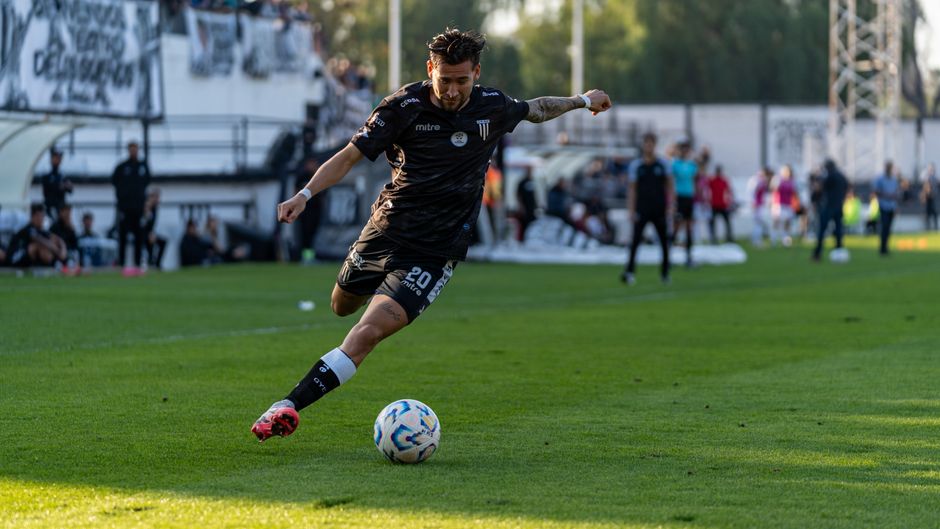
So, do fans in Germany do matchday differently?
Yes—especially in the visibility of ultras and organised displays, the place of standing areas, and the way different kick-off slots divide the weekend. But the underlying routine is recognisable on either side of the Channel: get there, find your people, watch the match, keep an eye on the wider story and talk about it afterwards.
Mobile phones have made fandom more continuous, not less local. A supporter can check another score on Flashscore, answer a WhatsApp message and still know exactly when the home end has found its voice. The screen is part of the modern stadium routine, but it has not replaced the rituals that make a ground feel like a ground. That is where the real matchday difference—and the shared pleasure—still lives.